





Smart coating
Smart coatings are coatings designed to impart functionality to the applied surfaces. Smart coatings can actively sense and respond to external environmental stimuli such as pressure, temperature, light, and heat, and react with an appropriate response. Nano materials have recently emerged as useful technique for providing improved functionality in making such coatings. There are smart coatings for corrosion resistance, self-healing, antimicrobial, self-cleaning, and others.
The smart coatings market is expected to grow to 2027 due to factors such as growing demand from end-user industries, growing demands for low-maintenance products and superior properties. However, stringent environmental regulations and the high cost of smart coatings may restrict growth.
The global smart coatings market is segmented on the basis of function, layer and end use.
- Based on function, the market is segmented as anti-corrosion, anti-icing, anti-microbial, anti-fouling, self-healing, self-cleaning, and others' smart coatings.
- On the basis of layer, the market is segmented as single layer and multi-layer.
- On the basis of end use the market is classified as automotive and transportation, marine, building and construction, aerospace and defense, and others.
The key smart coatings companies are:
- 3M
- AnCatt
- BASF SE
- Bayer AG
- DuPont
- Eastman Chemical Company
- Industrial Nanotech, Inc.
- Jotun
- Tesla NanoCoatings
- The Dow Chemical Company
[edit] Related articles on Designing Buildings
- Corrosion resistance.
- Engineering Smart Cities.
- European connected and smart home market.
- PAS 180:2014 Smart cities – Vocabulary.
- PAS 181:2014 Smart city Framework.
- PAS 182 Smart city data concept model.
- Smart airports.
- Smart city.
- Smart cities design timeframe.
- Smart construction.
- Smart glass.
- Smart greenhouse.
- Smart homes in Germany.
- Smart kitchen appliances.
- Smart meter.
- Smart technology.
- The smart buildings market.
Featured articles
Check out some of the best features and news from Designing Buildings as well as key stories from around the web.

Gasholders: a history in pictures. Book review.
Recognition, influence and growth

SocEnv identifies three strategic pillars in new strategy to 2045.
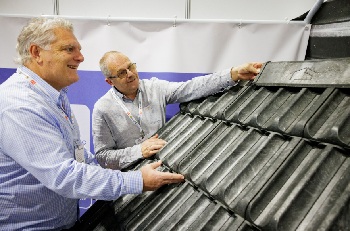
Discover the future of roofing, cladding and insulation.

New guidance for professional practice, cultural change and regulation in social housing.
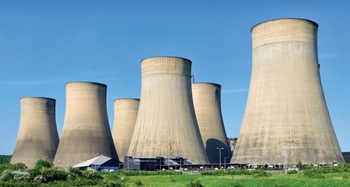
The heritage of nuclear and conventional power stations.
New measures to stop people being ripped off

Government to protect families from cowboy builders and aggressive bailiffs.

New Futurebuild showcase brings an innovation-first approach.
National Planning Policy Framework
Understanding the 2026 changes.
ECA's public affairs priorities

Member consultation opens to shape priorities for 2027 to 2030.

Dutyholder responsibilities from 1 July 2026.
Where performance meets practice

The Building Envelope Stage at UKCW Birmingham.

CIAT publishes briefing on planning reforms.